Cover photo by Ember Boulay
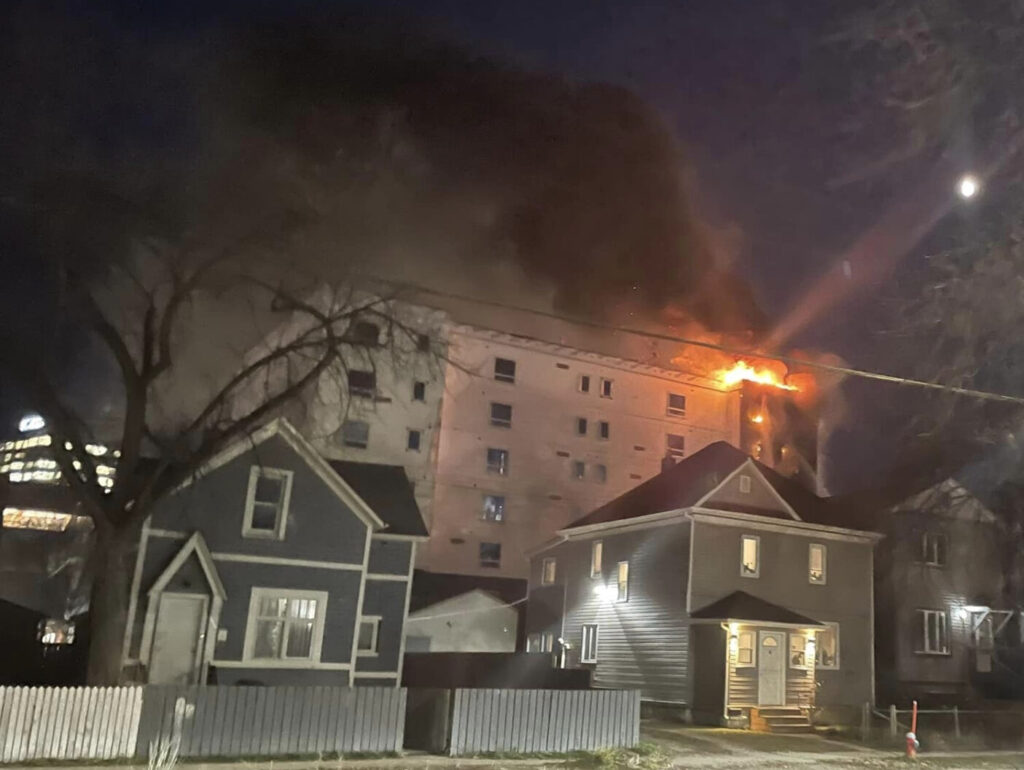
In the last three months, Winnipeg has seen five times more fatalities in house fires than the Canadian average. And it’s not a new issue.
“For near a decade, we’ve reported the highest volume of both property and life loss of any major city in Canada,” said Nick Kasper, president of the United Fire Fighters of Winnipeg.
Kasper called the situation a public health crisis and noted that it’s both “predictable and preventable.”
“Research tells us that certain demographics and populations are at higher risk,” said Kasper, “Indigenous people die in fires at a much higher rate.”
Structure fires in Winnipeg are closely tied to housing conditions. Areas with older housing stock and lower-income neighbourhoods see the most fires, which means specific groups are hit the hardest. Indigenous people, seniors, children, and those in overcrowded homes are impacted more than others.
“It’s a similar pattern, time after time,” said Kasper, “and that research translates precisely to what our crew members are seeing on the ground in Winnipeg.”
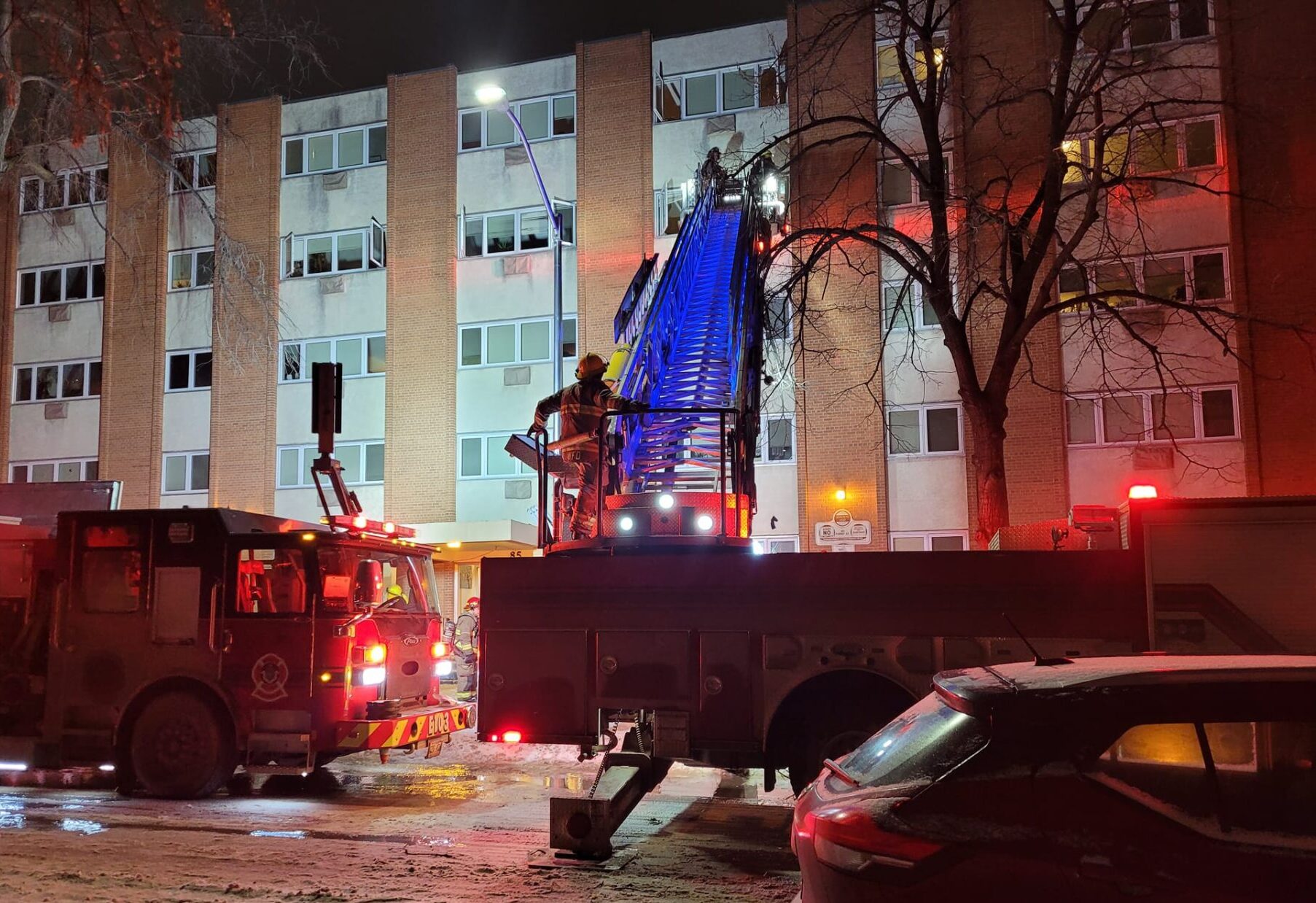
Aside from responding to fire emergencies in big red trucks, the Winnipeg Fire Paramedic Service has branches that do “behind the scenes” work to prevent fires from starting in the first place.
Public education and prevention programs have a measurable impact on fire-related deaths, but have been “critically understaffed for many years,” Kasper said.
In 2020, the Winnipeg Fire Paramedic Service published a 15-year strategy to address rising population and call volume.
The plan highlighted staffing shortages in fire prevention, education, examination, and investigation branches — different from firefighters, who do fire suppression. It reported that “all of those branches needed to nearly double or triple in size by 2022,” said Kasper.
Within three years, emergency calls outpaced estimates for 2040, and today “not a single one of those positions have been filled,” Kasper said.
In December of last year, the Winnipeg City Council approved a last-minute amendment to the 2026 budget to add funding for 20 new firefighters — double the initially planned 10, but still only half of what had been identified as necessary.
Kasper said he applauds the investments, but noted that Winnipeg is still falling short in comparison to other Canadian cities with “some of the slowest response times in Canada.”
Though city funding is a major factor in preventing house fires, it’s important to stay educated and prepared.
“I hope that people read about these issues and take a moment to prioritize fire safety planning in their home,” said Kasper.
He highlighted the importance of properly installing smoke and carbon monoxide detectors, checking to make sure they work, and keeping safe cooking, heating, and electrical practices in mind.
The Smoke Alarms for Every Family Program (S.A.F.E.) offers free smoke alarms and installation.
For families, he recommends having a muster point, and talking to kids about fire safety and the importance of evacuating the house without going back for items.
“This issue has become normalized in Winnipeg,” said Kasper. “We wake up every day to a minimum of one fire, and that’s a problem. That’s not normal.”
Winnipeggers will have an opportunity to influence the future of fire prevention and suppression policy in the upcoming municipal election.
Those who have opinions — regardless of what they may be — can communicate them to candidates in the months leading up to the election, and vote on October 28, 2026.