Maybe I don’t have to get everything ready for winter, says an expert….
If your November to-do list still includes raking every leaf and cutting down every flower stalk, René Hince has some welcome news: your garden may benefit from a little less tidying.
Hince, who co-runs Grey Jay Healing’s Beez Please program, helps people care for outdoor spaces with nature in mind. As neighbours prepare their yards for winter, he encourages a second look at what we consider a mess.
“A lawn is not a carpet,” he says.
Indoors, clearing away debris makes sense. Outside, fallen leaves are part of a living system, returning nutrients to the soil and providing shelter for insects through the colder months.
“Every time that we ship away all the leaves, you’re basically impacting the nutrient cycle in your yard,” Hince explains. “It’s kind of like running a constant deficit.”
Trees put energy into producing leaves. Allowing those leaves to decompose nearby helps return some of those nutrients to the ground, rather than removing them season after season.
There are also small neighbours tucked into that fallen foliage. Depending on the species, insects may spend winter among leaves or in the soil beneath them. Removing that cover can mean removing habitat along with it.
That doesn’t mean every leaf needs to stay exactly where it lands. For people concerned about appearances, or dealing with more leaves than their lawn can accommodate, there is room for compromise.
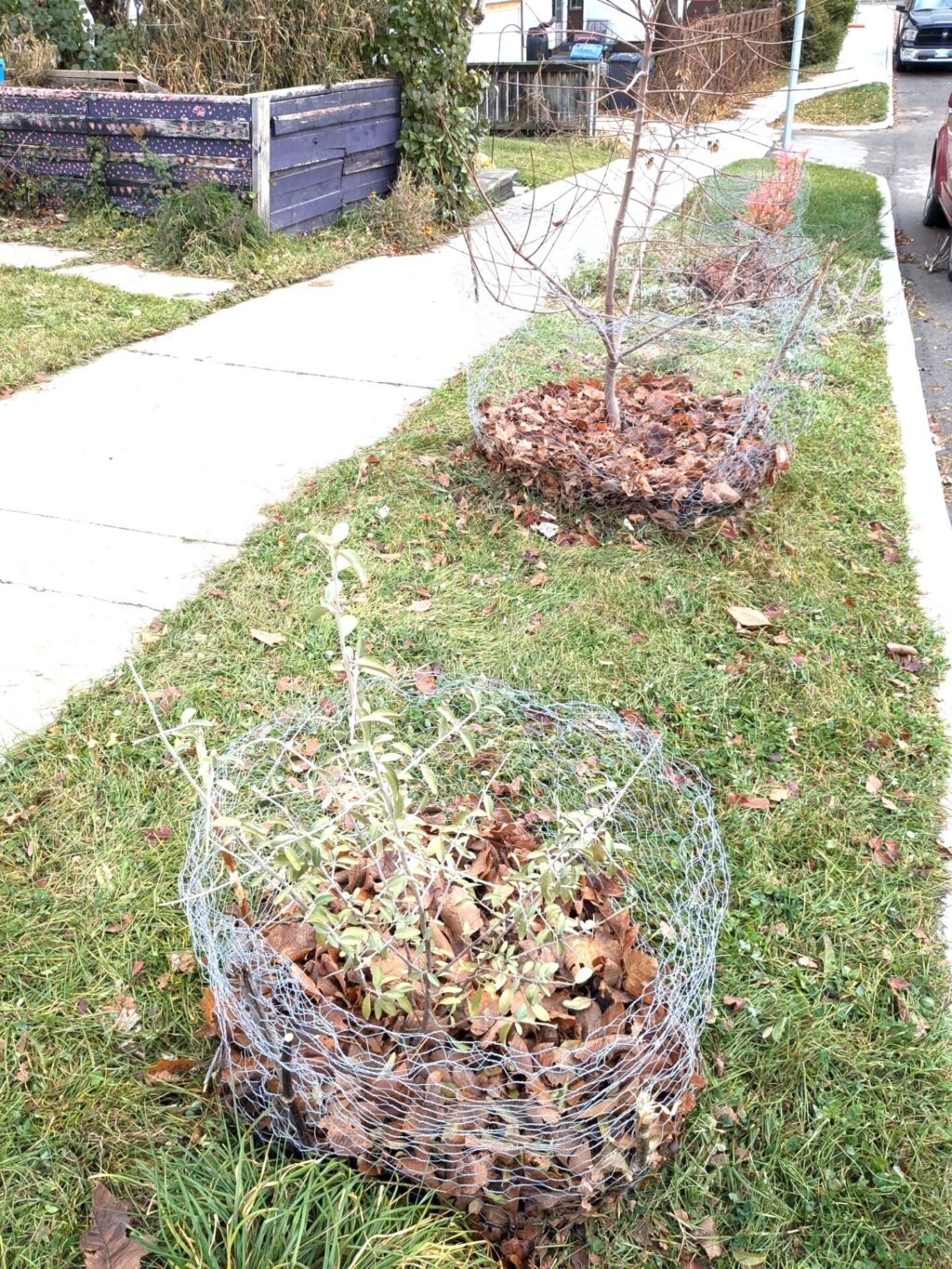
“You don’t have to leave all the leaves where they lie necessarily either,” Hince says. “You can leave a little bit of a layer if you want, especially put it over any bare dirt.”
Move leaves into garden beds or a designated corner of the yard, keeping them on the property where they can provide cover and gradually break down. Around trees, keep that leafy layer away from direct contact with the trunk.
Flower stalks deserve a little consideration, too. What looks like a collection of dead stems may provide nesting or overwintering habitat for insects, including some native bees.
Hince suggests leaving stalks standing through winter. If they need to be cut, they can still have a place in the garden.
“You can if you’d like to, but just keep them on site,” he says. “Put them in your bramble pile, or put them with your leaves.”
The same patience helps when spring arrives. Hince encourages neighbours to delay cleanup into late spring, suggesting June as a useful local target. Even then, there is no deadline to clear everything away: leaving some leaves and stems undisturbed continues to provide habitat as different insects emerge on their own schedules.
For Hince, these choices are part of a broader approach to making gardens both manageable and welcoming to other living things.
“A lot of what we do is to try to teach people to work with nature instead of against it,” he says. “Because it’s just so much easier when you’re just falling into the flow of what’s already happening.”
Beez Please offers help for people whose gardens have become difficult to manage, whether because of health, family demands, or simply falling behind. Grey Jay Healing also shares seasonal tips and information through Facebook and Instagram.
This November, caring for our trees, gardens, and pollinator pals might begin by putting down the rake and letting a little of the season stay.