Every day, Canada loses seven of its small farms. As the price of farmland rises and farmers grow fewer and older, speaker Katie McInnes said it’s important to “bring farmers’ voices in front of an urban audience.”
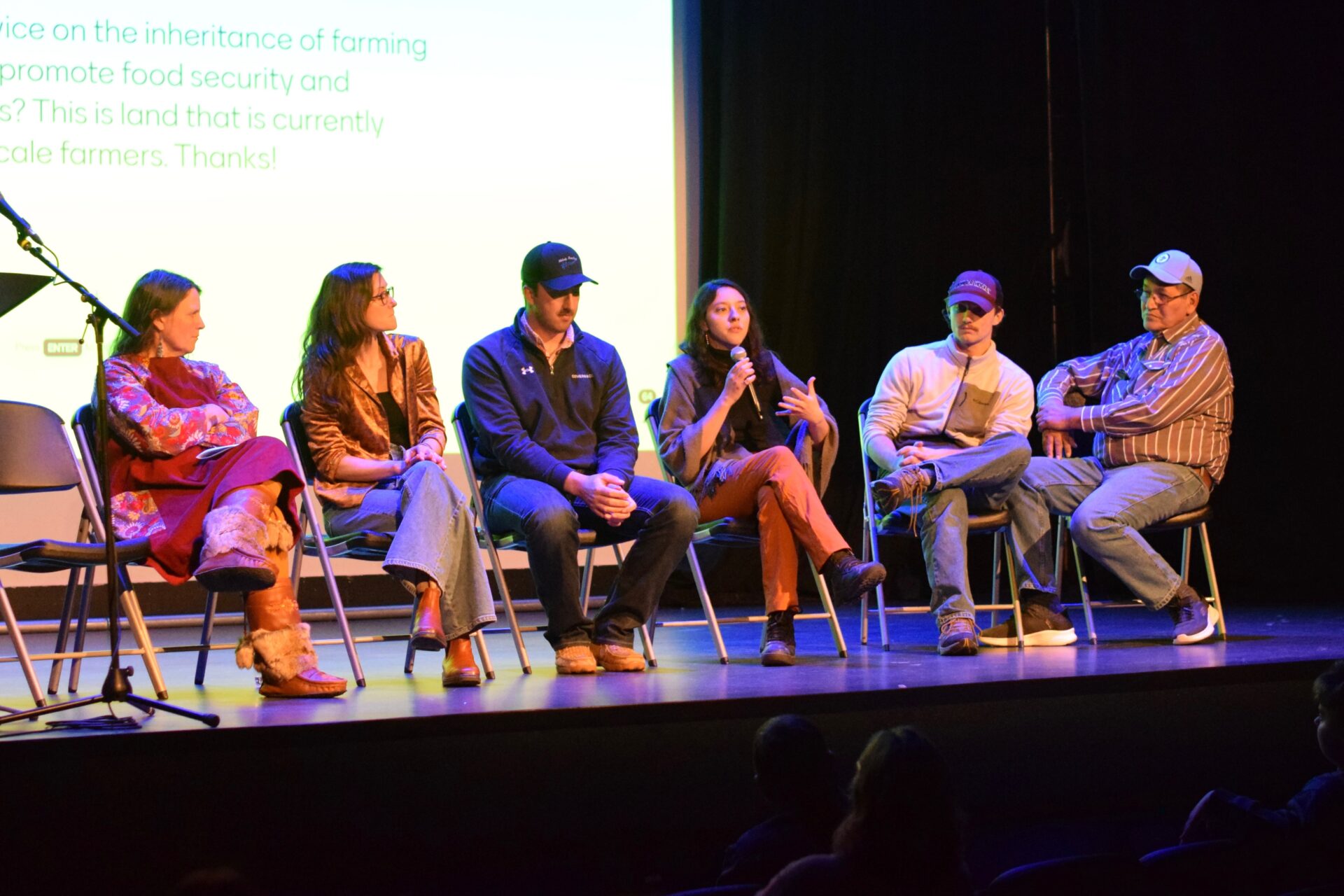
Recently held at the Park Theatre, Agrarian After Dark is an annual event connecting consumers with their local food and fibre growers. Hosted by farmers and ranchers, it offers an opportunity for Manitobans to learn about where their food comes from and the hands that produced it.
“There’s so much about agriculture and food production that is so inaccessible, and seems sort of behind this veil unless you’re a farmer,” said McInnes, co-owner of The Dogs Run Farm. “I really want to help take down that veil.”
The night featured presentations on eating locally, the risks and rewards of farming, Ojibwe knowledge and food insecurity, among other topics.

McInnes spoke about “The Future Farmer Problem,” expressing uncertainty about the future of farming and agriculture in Canada, a consistent theme of the event.
The average age of Canadian farmers has been increasing since 2001, and two-thirds of farmers have no plans for succession, turning the discussion to youth and their role in the country’s agricultural future.
“We need more young people to get more knowledge from the people that are on the land currently … to learn the issues, know what to do, and be able to do it,” said Sara Yagelniski.
Yagelniski is an apprenticeship coordinator with Young Agrarians, an organization working to connect young and learning farmers with mentors and educators.
“It can be overwhelming to find pathways to connect with farmers and to get on the land,” said Yagelniski. “There are really important skills that come from farming and living close to the land, and I think it’s important to have opportunities for people to take them if they want to.”
“It keeps coming back around to young people,” said Finn Rachul, speaker at the event and educator specializing in Ojibwe environmental knowledge. “So that’s [what] I’m focusing on, teaching more young people.”
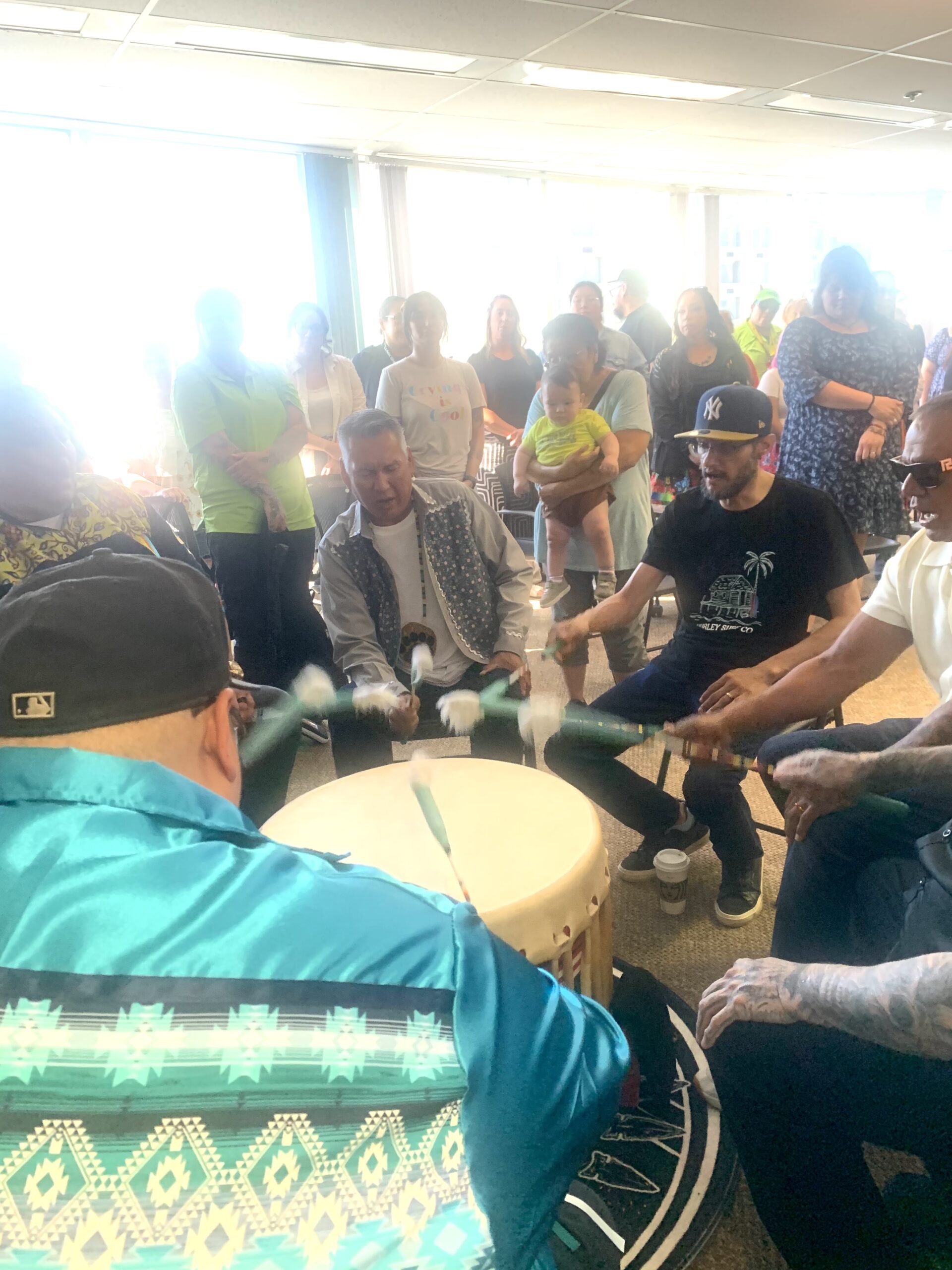
Rachul presented with David Scott on Indigenous knowledge and food insecurity, highlighting how well traditional Indigenous perspectives fit into permaculture and regenerative farming.
After presentations, attendees had the opportunity to talk about what they’d learned with growers and eaters alike.
Attendee Trey Dornn, a small urban farmer, said the event “made me feel hopeful for the future of farming, to see others fighting passionately for a better future.”
Rachul encouraged young and learning farmers to “start small. Don’t get overwhelmed. Just do it step by step, year by year, keep learning new things, and start talking to as many people as possible. Seeing their projects is going to light a fire and it’s going to grow faster than you can handle.”